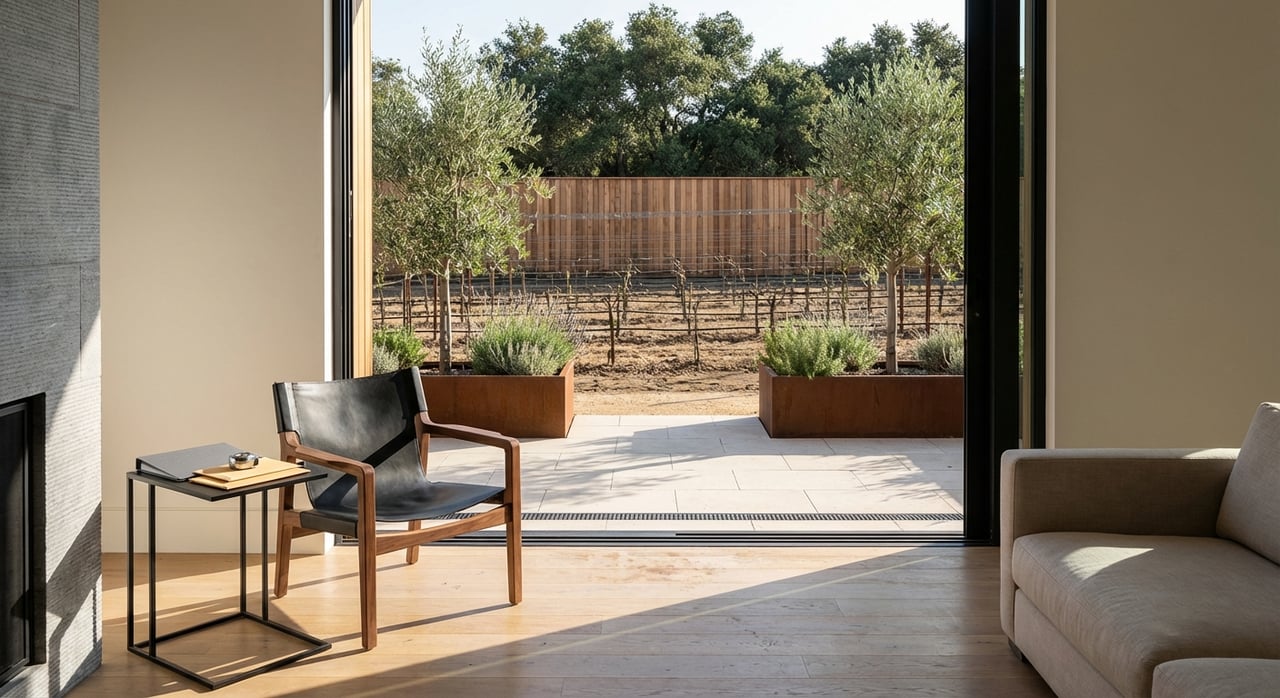
Thinking about bringing your Healdsburg vineyard or estate to market this year? You know premium properties demand more than fresh photos and a sign at the gate. The right prep can add real value, reduce surprises in escrow, and help you control timing. In this guide, you’ll get a clear plan for pricing, permits, documentation, presentation, and marketing tailored to Wine Country estates. Let’s dive in.
Healdsburg market at a glance
Healdsburg sits at the top of Sonoma’s small markets, with a defined luxury tier. Recent local reporting shows a luxury vineyard‑estate median around $4.25 million, with days on market and deal flow shifting by season and price band. You should expect a competitive environment for well‑prepared properties and more selective demand as price rises. Aligning timing, pricing, and positioning matters.
Per‑acre values are not one‑size‑fits‑all. In Sonoma County, per‑acre pricing can swing widely by AVA, vine age, quality, and infrastructure. In other words, two 10‑acre parcels can have very different values based on appellation and production characteristics. Treat public ranges as directional and let site‑specific data lead your number.
- See recent local luxury market reporting for Healdsburg: market snapshot and trends.
- Understand why per‑acre values vary widely by AVA and attributes: pricing vineyard land.
What actually moves price
Buyers and appraisers focus on a set of core drivers:
- Appellation and proximity to Healdsburg. Market recognition and access matter.
- Vine health and multi‑year yield history, including clone/rootstock and planting year.
- Infrastructure: irrigation, pumps/wells, interior roads, crush/pack areas, cold storage, and equipment.
- Permits and entitlements: on‑site winery, tasting/events, septic/well capacity.
- Residential and hospitality improvements: main house, guest suites, staff housing, finish quality.
- Water rights/well logs and environmental constraints.
- Marketable intangibles: wine brand, club, distribution, bonded premises.
Appraisers reconcile Sales, Income, and Cost approaches, then weight the result. If you plan to sell, consider engaging an experienced vineyard appraiser early for objective value guidance.
Prep your valuation and team
Start by defining your likely buyer. In Healdsburg, typical pools include operating vintners, winery groups, out‑of‑area wine companies, family offices and lifestyle buyers, and hospitality investors. Tailor your materials accordingly: operators want production and financials; lifestyle buyers want privacy, design, and setting.
Early conversations with a vineyard appraiser, a viticulture consultant, and your listing team help you decide whether to replant a block, refresh infrastructure, or list as‑is. This is also the time to map your timing, tax strategy, and any confidentiality needs.
- Learn who is actively buying and why: typical buyer pools for Healdsburg estates.
Regulatory and title items to address
Winery and event permits
If you have a winery, tasting, or event approvals, assemble the full record. Sonoma County’s Winery Events Ordinance sets standards for visitor‑serving activities, and buyers will review your permitted capacity, traffic plans, and any studies. Document what exists, any variances, and your operating history.
Alcohol licensing on transfer
If you operate as a bonded winery, a sale triggers federal and state licensing steps. Under TTB change‑in‑proprietorship rules, changes in ownership or control usually require filings within set windows. California ABC licensing may also be needed for winegrower privileges and any estate tasting events. Outline which approvals transfer and which require new applications.
Water wells and septic systems
Many estates rely on private wells and on‑site wastewater. County rules are technical and evolve, including testing and monitoring. Compile well logs, pump tests, water quality results, and septic permits so buyers can evaluate capacity and compliance under Sonoma’s well and septic systems standards.
Williamson Act contracts
If your parcel is under a Williamson Act contract, the land receives tax benefits in exchange for limits on non‑ag uses. The contract runs with the land, so highlight it and share relevant land conservation plans.
Wildfire history and insurance
Wildfire events, including the 2019 Kincade Fire, changed how buyers and insurers underwrite risk in Sonoma County. Disclose any claims, repairs, remediation, and current coverage. Be ready with documentation on defensible space and hardening where applicable.
Taxes and closing strategy
Discuss capital gains and timing early. Since 2018, Section 1031 like‑kind exchanges are limited to real property and require strict timelines and a Qualified Intermediary. Your listing timeline should reflect these constraints.
Your pre‑listing checklist
Build a confidential data room
- Title report, easements, and any recent survey.
- Use permits and entitlements: winery/tasting/events, guest‑house authorizations.
- Federal and state alcohol documents: TTB Basic Permit, bonded premises maps, ABC licenses.
- Vineyard technical folder: block maps, varietals, clones/rootstocks, trellis and spacing, planting years, canopy/pruning methods, integrated pest management notes, fertilizer and pesticide logs, harvest dates and yields by year, and wine quality metrics if available.
- Water and wastewater: well logs, pump tests, water‑quality labs, septic permits and monitoring.
- Contracts and revenue: grape purchase contracts, custom crush, tasting revenue, leases, and P&L if the winery transfers.
- Insurance claims and repair records, especially for wildfire or weather events.
- Appraisals, environmental reports, soils mapping, and any CEQA or discretionary filings.
Physical prep and presentation
- Grounds: groom access roads, clean row lines, repair or store equipment out of view. Choose photo windows that showcase both production and setting.
- Residences and hospitality spaces: engage a luxury stager for key rooms and guest suites. Full‑home staging for premium properties often runs in the low four‑ to five‑figure range and is usually cost‑effective.
- Visual assets: commission interior and exterior photography, twilight, aerial/drone, and a Matterport 3D tour or cinematic video. For large estates, confirm your drone operator holds FAA Part 107 certification and insurance.
- Showings: if permitted, offer private, by‑appointment tastings or vineyard walks to help buyers understand the experience. Confirm all use‑permit limits before planning hosted showings.
Marketing, confidentiality, and buyer vetting
For premium estates, targeted outreach beats broad blasts. Segment materials: operators get production data, contracts, and financials, while lifestyle buyers see privacy, architecture, and land stewardship. Use broker‑network previews, direct outreach to vetted lists, and a secure property microsite with a password‑protected data room for qualified inquiries. Require NDAs and proof of funds prior to detailed tours.
If you prefer discretion, your listing team can structure private or limited‑distribution strategies that comply with MLS and NAR rules. The key is documenting seller instructions, coordinating timelines, and avoiding public marketing that might trigger mandatory MLS submission unless planned.
Escrows that include vineyard operations or a winery take longer than standard residential deals. Build in time for permit transfer steps, production verification, environmental diligence, and lender requirements.
An example timeline
- Weeks 0 to 4: build the data room, handle basic repairs, select broker, commission preliminary photography.
- Weeks 4 to 8: complete full photography, video, and aerials; create brochure and microsite; plan broker and qualified‑buyer previews.
- Weeks 6 to 12: targeted outreach, private tours with NDA and proof of funds, begin offer review.
- 30 to 120+ days: escrow and due diligence with contingencies for permits, water/septic, environmental, and business elements if applicable.
The takeaway
Premium vineyard and estate sales in Healdsburg reward careful preparation. When you lead with clean documentation, credible valuation, strong visuals, and targeted outreach, you shorten surprises and strengthen your negotiating position. If you want a low‑drama sale with senior‑level attention and thoughtful marketing, we’re here to help.
Ready to discuss timing, value, or a confidential plan for your estate? Connect with Del Fava | Parker for a private consultation and a clear path to market.
FAQs
What sets pricing for a Healdsburg vineyard or estate?
- Appellation, vine health and yields, infrastructure, permits, water, residence quality, and any brand or contracts, reconciled through Sales, Income, and Cost approaches.
How do winery and event permits affect my sale?
- Buyers scrutinize permitted visitor capacity, traffic, and noise limits; complete permit files and operating history help preserve value and speed due diligence.
What documents should I gather before listing a vineyard?
- Title, surveys, permits, TTB/ABC records, multi‑year yield data, water/septic reports, contracts and P&L, insurance and repair logs, and any environmental or soils studies.
How are wells and septic evaluated in Sonoma County?
- Expect requests for well logs, pump tests, water quality labs, and septic permits or monitoring records to confirm capacity and compliance with county standards.
Can my wine licenses transfer with the property?
- Some approvals run with the land while others require new filings; plan TTB and CA ABC change‑of‑ownership steps in escrow to avoid operational gaps.
Do I need an appraisal before I list?
- A vineyard‑experienced appraisal can validate pricing, inform replant or repair decisions, and help align expectations with lenders and sophisticated buyers.