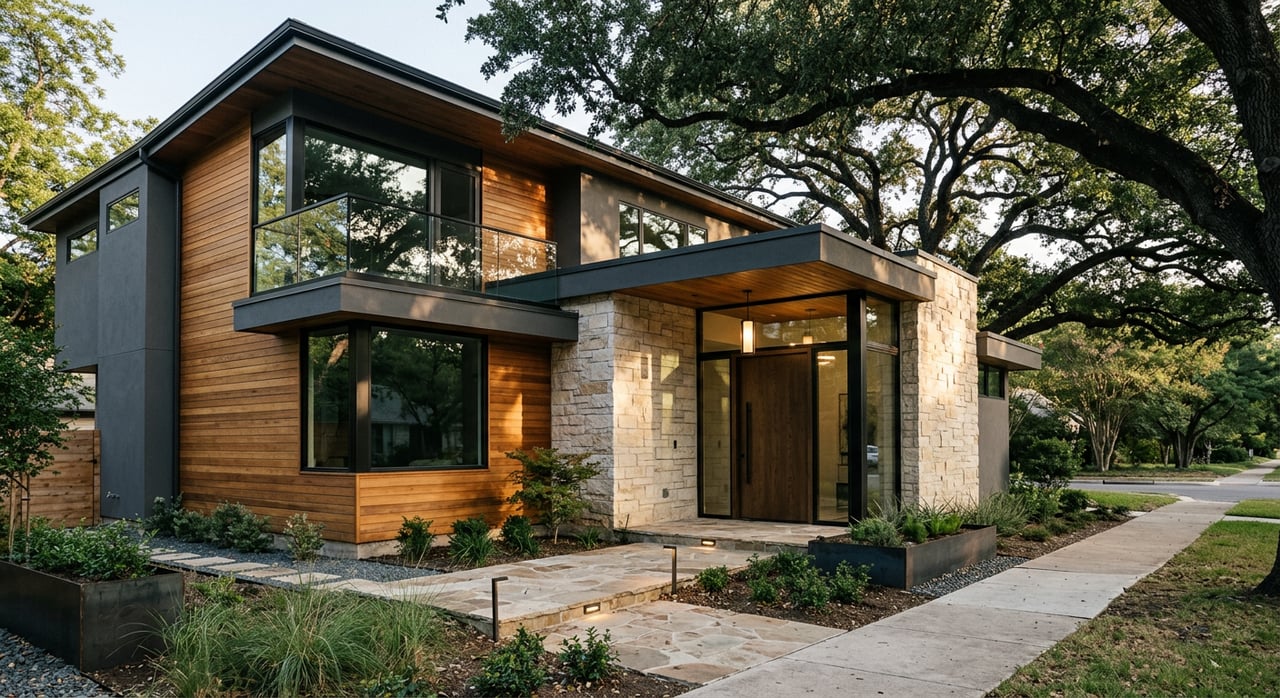
Torn between the shine of a brand-new home and the charm of an established Santa Rosa neighborhood? You are not alone. Both paths can work well here, but the best choice comes down to how you live, what you want to spend over time, and how you feel about risk and upkeep. In this guide, you will compare costs, maintenance, insurance, wildfire considerations, and neighborhood feel so you can move forward with confidence. Let’s dive in.
Santa Rosa market snapshot in 2026
Home values in early 2026 generally hovered around the high six hundreds to low seven hundreds for the city, depending on the data source and methodology. Aggregators that track listing and closed-sale medians reported ranges near the upper six hundreds to lower eight hundreds. The key takeaway for you is that different sources use different inputs, so local MLS solds for your target neighborhood are the most reliable way to price and compare.
Inventory and days on market have eased from the tightest pandemic months. That shift gives buyers a bit more negotiating room on new and resale homes. It also means builder incentives and seller concessions are more common than they were a few years ago.
What new construction offers in Santa Rosa
Communities and pricing today
You will see active offerings from regional and national builders in and around the city. City Ventures has two visible options: Grove Village with two-story detached homes and Round Barn townhomes in Fountaingrove. Recent public listing ranges show Grove Village around roughly 765,000 to 944,000 for plans in the 2,000 to 2,400 plus square foot range, while Round Barn townhomes have homeowners association dues often advertised near 218 to 224 per month.
National builders such as KB Home continue to market energy-efficient homes and design-center options in Santa Rosa and the North Bay. You can review current floor plans on the builder’s site for a sense of features and included solar at KB Home’s Santa Rosa page.
Design, energy, and fire-minded features
New developments here tend to lean modern craftsman or California farmhouse, with open plans and indoor-outdoor flow. Solar is typically included or required. After the 2017 Tubbs Fire, many rebuilt and new homes in hillside areas such as Fountaingrove use more fire-resilient materials and design choices, which you can see in local rebuild coverage from the Press Democrat on Fountaingrove’s resurgence.
If a property lies in a mapped fire hazard zone, new builds must follow California’s Wildland-Urban Interface rules that govern materials like roofing, siding, vents, and glazing. You can learn how WUI construction standards apply through the State Fire Marshal’s WUI building guidance and the City’s Wildland-Urban Interface resource page.
Warranties and near-term upkeep
Most reputable builders enroll new homes in a third-party warranty program that commonly follows a 1-2-10 pattern: one year for workmanship, two for major systems, and ten for structural coverage. Ask for the full warranty booklet and the administrator’s contact, and review what is covered and what is excluded. For a general overview of these programs, see the 2-10 Home Buyers Warranty brochure and the protections set out by California’s SB 800 Right to Repair Act.
Even with a new home, you should budget for ongoing care. A simple rule of thumb is to plan 1 to 3 percent of the purchase price per year for routine maintenance, with lower percentages at the start for new construction. For background on maintenance budgeting, see this overview on setting a home maintenance budget.
Taxes, HOAs, and fine print
New communities often have HOAs for common areas and design standards. Dues for townhomes are typically in the low hundreds per month, while detached-home communities can vary based on amenities. Always request CC&Rs, budgets, reserve studies, meeting minutes, and any litigation or special assessment history. You can read more about HOA disclosure requirements under the Davis-Stirling framework here: Davis-Stirling Civil Codes resource.
Also ask whether a Community Facilities District or Mello-Roos special tax applies. Some new developments carry these taxes to fund infrastructure. Confirm by reviewing the property tax bill and the seller or builder disclosures.
What established neighborhoods offer
Where you will find them
Santa Rosa has a wide mix of established areas, from the walkable, historic pockets near Railroad Square and Downtown to larger-lot, postwar and late 20th century tracts in Bennett Valley and Montgomery Village. You will also find age-targeted communities like Oakmont Village, which has HOA-run amenities and its own fee structure. Each area delivers a distinct feel, lot size pattern, and architecture.
Character, lots, and renovation potential
Older homes often come with mature trees, larger yards, and more architectural variety. Many buyers choose these neighborhoods for location and long-term character. If you plan to remodel or add an ADU, established homes can offer strong value-add potential as long as your plans fit local zoning and neighborhood norms and you obtain all required permits.
Maintenance and insurance reality check
With older homes, expect more near-term replacement cycles for roofs, windows, HVAC, and plumbing. It is smart to budget on the higher end of the 2 to 3 percent range for annual maintenance and to order targeted inspections. Wildfire and insurance planning still matter in established areas. Confirm the property’s fire hazard designation on the City’s WUI map and resources page, and obtain insurance quotes early. The California Department of Insurance has introduced reforms to improve availability and reward mitigation, which you can track here: 2025 Department of Insurance update.
New vs. established: which fits you best?
- Choose new construction if you want minimal near-term upkeep, modern systems, and strong warranty coverage. Expect HOAs in many cases, and understand you may pay a premium for new product and builder finishes.
- Choose an established neighborhood if you value character, larger yards, and immediate neighborhood identity. Plan for inspections and possible updates, and look for value-add opportunities that align with local comps.
- Watch for builder incentives. Rate buydowns and credits are common in this market and can narrow the monthly payment gap between new and resale options. Learn why incentives matter in this quick market note on rate buydowns and credits.
Side-by-side comparison
- Price positioning
- New builds often price at or above the city median, especially detached homes with modern finishes.
- Established homes span a wider range by condition and location and may trade under or over median based on upgrades and lot size.
- Lot size and privacy
- New townhomes have the smallest private yards. New detached homes vary by project. Some offer respectable yards, others are denser infill.
- Many older tracts offer mid to larger suburban lots and mature landscaping.
- Monthly costs
- New builds may include HOA dues and possibly special taxes. Near-term maintenance is usually lower.
- Established homes may have lower dues or none at all, but set higher maintenance reserves.
- Energy and systems
- New homes tend to include solar and efficient systems, which can reduce utilities.
- Older homes vary. Upgrades can improve efficiency but come with upfront costs.
- Wildfire and insurance
- New homes in fire-prone areas are built to current codes. Insurance may still require mitigation steps and can vary by carrier.
- Established homes may need retrofits or hardening to meet current mitigation best practices.
Your Santa Rosa buyer checklist
- Confirm current neighborhood comps with local MLS solds from the past 6 months. Microtrends vary street by street.
- Check the property’s Fire Hazard Severity Zone and the local WUI rules, then match those rules to the home’s permit date: City of Santa Rosa WUI page and State Fire Marshal WUI guidance.
- For new construction, request the full warranty package and the administrator contact. Ask whether coverage follows a 1-2-10 format: 2-10 HBW overview. Review protections under SB 800.
- Obtain insurance quotes early. Ask about mitigation credits and any recent underwriting changes: California Department of Insurance update.
- If there is an HOA, request CC&Rs, budgets, reserve studies, meeting minutes, and litigation disclosures: Davis-Stirling guidance.
- Budget maintenance wisely. Use 1 to 3 percent of the purchase price per year as a starting range, higher for older homes or large landscaped lots: How to set a maintenance budget.
- For builder deals, confirm any incentives and financing offers in writing, including rate buydowns and lender credits: quick context on incentives here.
- Plan the appraisal. In new subdivisions with few closed comps, coordinate early with your lender and the builder’s sales team on comparable sales and timing.
Final thoughts
There is no wrong answer to the new versus established question. In Santa Rosa, each path can deliver a great result when you line up the right data, understand wildfire and insurance realities, and budget for the true cost of owning. If you want a steady, local guide to weigh your options, compare real comps, and pressure test insurance and HOA details, we are here to help.
Reach out to Del Fava | Parker for pragmatic, locally rooted advice and a clear plan for your next move.
FAQs
How do HOA fees work for new Santa Rosa townhomes?
- Many new townhome communities include HOA dues to cover common-area maintenance and services; always request CC&Rs, budgets, reserve studies, and meeting minutes to see what is included and whether assessments are planned.
What should I know about wildfire codes for Santa Rosa homes?
- If a home sits in a mapped fire hazard zone, new work must meet WUI rules that govern materials and design; verify the home’s Fire Hazard Severity Zone and the permit date so you know which standards apply.
How do insurance changes affect buying in high fire areas?
- The Department of Insurance is rolling out reforms to improve availability and reward mitigation, but pricing varies by carrier and address, so obtain and confirm bindable quotes early in your escrow.
Are new Santa Rosa homes cheaper to maintain than older ones?
- Usually yes in the early years, since roofs, systems, and appliances are new and often covered by warranty, while older homes can require higher annual reserves for replacements and upgrades.
What is Mello-Roos and could it apply to my new build?
- Mello-Roos is a special tax that funds infrastructure in some newer districts; review the property tax bill and seller or builder disclosures to confirm whether a Community Facilities District applies.
Do builder incentives really change the monthly payment?
- They can, since rate buydowns and credits may reduce upfront cash or monthly cost; always compare the incentive offer against your independent lender quote and get all terms in writing.