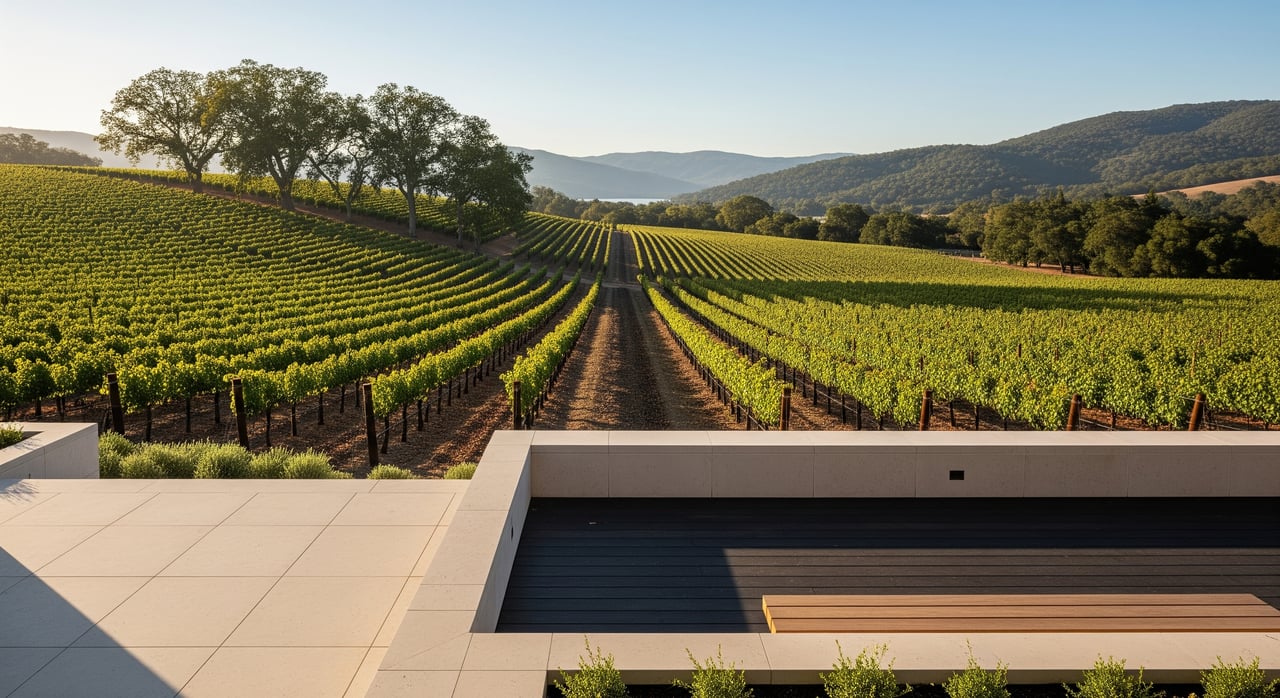
Choosing between Dry Creek and Alexander Valley can feel like picking your favorite vintage. Each offers a distinct pace of life, vineyard potential, and path to long-term value near Healdsburg. If you want quick trips to the Plaza, weekend wine tasting, or a quieter estate experience, your fit may come into focus when you compare the details. In this guide, you’ll learn the key differences in access, parcels, vines, utilities, risk, and resale so you can match your goals to the right corridor. Let’s dive in.
How to choose your valley
Start with your primary objective. Your answer points you toward one corridor or the other.
- Lifestyle-first and town access: Dry Creek often delivers shorter drives to Healdsburg restaurants and tasting rooms.
- Privacy and scale: Alexander Valley tends to offer larger estates and a quieter country setting.
- Income-focused: Both can support grape leases or hobby vineyards, but your plan must fit zoning, water, and permits.
Location and daily access
Distance to Healdsburg Plaza
- Dry Creek corridor south and southwest of town generally offers quicker access to downtown services and tasting rooms. If you plan regular dinners in Healdsburg or frequent hosting, this convenience matters.
- Alexander Valley to the north and northeast can feel more remote. Many estates trade a longer drive for privacy and open views.
Roads and commute
- Expect a mix of paved county roads and private roads in both valleys. Confirm seasonal conditions and road width for emergency access.
- Highway 101 and the regional Charles M. Schulz–Sonoma County Airport are accessible from both areas, but drive times vary parcel by parcel. Verify for your short-list addresses.
Parcels and neighborhood pattern
Typical lot sizes
- Alexander Valley: Larger ranches and estate-size parcels are common, often with contiguous vineyard blocks.
- Dry Creek: Wider range from smaller lots near tasting corridors to mid-size parcels that suit a hobby vineyard on 2 to 10 acres.
Improvements and CCRs
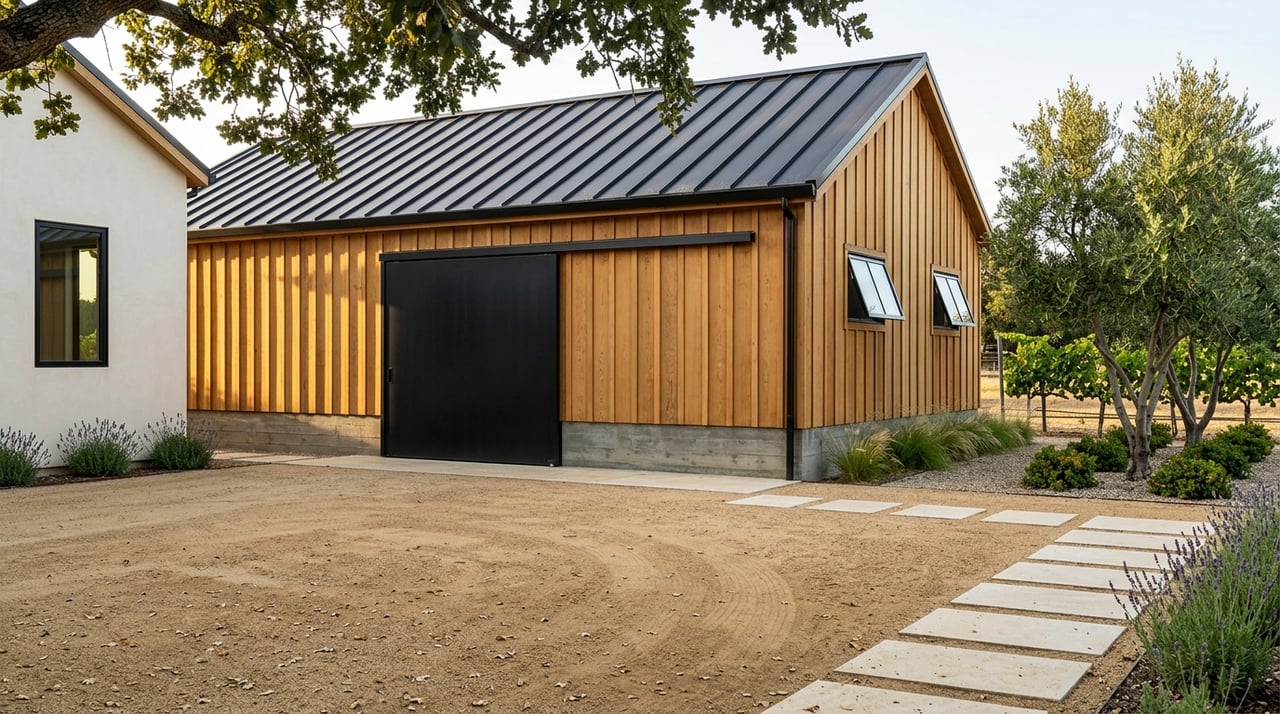
- Many properties include vines, ag structures, wells, tanks, and rural septic. Documentation and permitted uses vary with zoning.
- Some Dry Creek parcels sit within small subdivisions with covenants. Alexander Valley estates are more often standalone with private governance.
Vineyards and microclimate
Alexander Valley vines
- Broad valley floor with warm daytime temps on the floor has long favored Bordeaux varieties like Cabernet and Merlot. Higher elevations can support additional varieties.
Dry Creek vines
- Known for Zinfandel, Sauvignon Blanc, and diversity by site. Warmer canyon pockets and cooler benchlands create distinct styles within short distances.
Testing soils first
- Even neighboring parcels can differ in slope, aspect, soil depth, and drainage. Before planting or expanding, use soil pits and percolation tests and consult regional guidance to confirm suitability and costs.
Zoning and permits
- Most properties outside city limits follow Sonoma County zoning. Rural residential and agricultural designations set minimum parcel sizes and permitted uses.
- Agricultural uses like vine planting are commonly allowed, but commercial winery, tasting rooms, or large production usually require discretionary permits that evaluate traffic, water, wastewater, and neighborhood impacts.
- Some parcels carry Williamson Act contracts or conservation easements. These can reduce taxes but limit subdivision and non-ag uses.
- Short-term rental and agritourism rules vary between the City of Healdsburg and the County. Check local ordinances and any HOA or CC&R restrictions before assuming visitor or rental income.
Utilities, water, and wastewater
Water and irrigation
- Rural parcels often rely on private wells and stored water. Well yield, depth, and reliability vary widely. Confirm water rights and shared well agreements, and assess irrigation needs for existing or planned vines.
Septic capacity
- Most properties use septic systems. The permitted bedroom count and system condition affect remodel plans and resale. Perc tests and septic inspections are essential.
Power and internet
- Utility extension in remote areas can be limited or costly. Many larger estates use solar and battery backup. Verify electric service, telecom options, and ongoing costs for your parcel.
Hazards and insurance
Wildfire considerations
- Both corridors sit in wildfire-prone landscapes. Parcel-level risk influences insurance cost and availability, and some lenders may require additional inspections. Defensible space, ember-hardening, and clear emergency access add value and peace of mind.
Flood and riparian
- Low-lying valley floor parcels near creeks in both areas may sit in FEMA flood zones. Expect riparian setbacks and possible permits for work near waterways.
Slopes and erosion
- Steeper sites require geotechnical review for building and vineyard terracing. Slope stability can affect both permitting and insurance.
Lifestyle and community feel
Dry Creek scene
- You will find denser tasting-room activity and a livelier wine-tourism rhythm. It suits buyers who want easy access to social amenities and frequent town trips.
Alexander Valley feel
- Larger parcel sizes and a quieter, estate-forward setting appeal to buyers who value privacy, space, and distance from traffic.
Outdoor recreation
- Both corridors offer hiking, river and creek access, and horseback riding. Specific access points and amenities vary by parcel location.
Buy-hold numbers to plan
Ongoing costs
- Property taxes, homeowner and wildfire insurance, well and septic maintenance, road upkeep, fencing, and security are common line items.
- Vineyards add pruning, irrigation, pest management, harvest labor, equipment, and seasonal crews. Costs vary by scale and farming practices.
- If you plan new structures or use changes, budget for discretionary permits and possible mitigation requirements.
Income paths
- Potential sources include grape leases or direct grape sales, small estate wine production with permits, pasture or farm leases, and limited short-term rental or agritourism where allowed.
- Winery and visitor uses face higher regulatory hurdles. Grape revenue depends on vine age, variety, yield, and contract terms. Replant cycles and replacement costs should be modeled.
Liquidity and resale
- Parcels closer to Healdsburg amenities often appeal to lifestyle buyers and can sell faster. Larger estate or agriculturally encumbered properties can have longer marketing times.
- Marketability improves with clear water rights, documented permitted uses, fire hardening, and well-maintained vineyard infrastructure.
Due diligence checklist
Use this list to compare specific addresses before you write an offer.
- Title and easements: full title report, easement and right-of-way confirmations, and any CCRs.
- Zoning and permitted uses: county parcel report, current zoning, and any open code issues.
- Water: well logs, recent yield tests, water rights, and irrigation sources.
- Septic: perc test results, system design, and permitted bedroom count.
- Soils and site: soil pits, vineyard suitability notes, and geotechnical review for slopes.
- Hazards: wildfire severity zone, FEMA floodplain, and landslide or erosion history.
- Permits and structures: confirm permitted status for homes, barns, tanks, and any winery or vineyard improvements.
- Insurance: pre-check wildfire coverage, premiums, and any insurer requirements.
- Operating budgets: estimates from a local vineyard manager and property manager; grape lease comparables if relevant.
- Neighbor use and traffic: evaluate seasonal tourism traffic and noise near tasting corridors.
Next steps
- Clarify your primary objective. If you want frequent town access and a lively scene, Dry Creek may fit. If you want privacy, scale, and a classic estate setting, Alexander Valley is compelling. If income is the priority, verify water, zoning, and permits first.
- Assemble your team early. The right real estate agent, planning consultant or land-use attorney, vineyard manager, well and septic pros, insurance broker, and CPA can prevent costly surprises.
- Pressure-test your budget. Account for fire hardening, utility upgrades, vineyard operations, and permit timelines in addition to the purchase price.
When you are ready to compare specific parcels, connect with Del Fava | Parker for calm, locally rooted guidance and a clear plan from first tour to closing.
FAQs
Which valley is closer to Healdsburg amenities?
- Dry Creek typically offers shorter drives to downtown tasting rooms and restaurants, while Alexander Valley is farther out and offers more privacy.
What vineyard varieties suit each corridor?
- Alexander Valley has a history with Bordeaux varieties like Cabernet and Merlot, while Dry Creek is known for Zinfandel, Sauvignon Blanc, and diversity by site.
Are short-term rentals allowed in these areas?
- Rules vary between the City of Healdsburg and Sonoma County, and some HOAs or CCRs add limits, so confirm regulations for each parcel before relying on STR income.
How do wildfire and flood risks affect buying?
- Risk levels can impact insurance availability, premiums, and lending; parcel-specific wildfire severity and floodplain checks are essential before you commit.
What are realistic income options for a small acreage?
- Common paths include grape leases or direct grape sales, and limited visitor or rental uses where allowed; commercial winery or tasting rooms generally need discretionary permits.