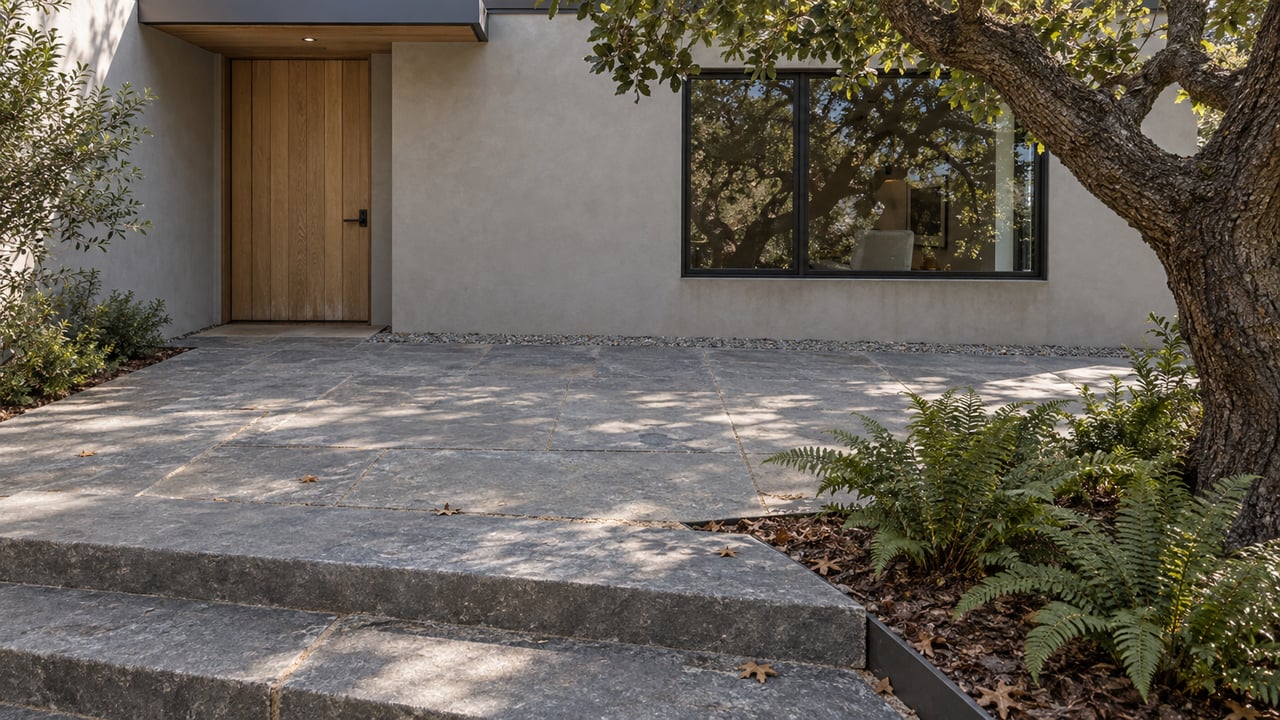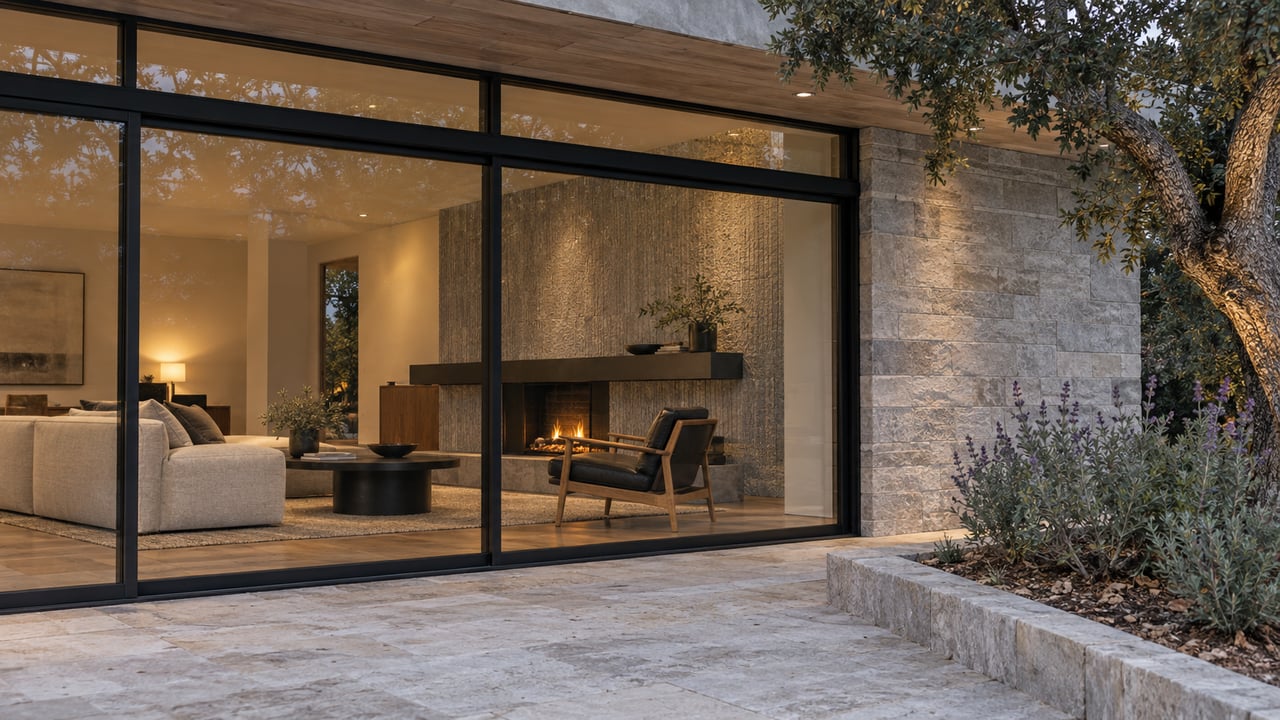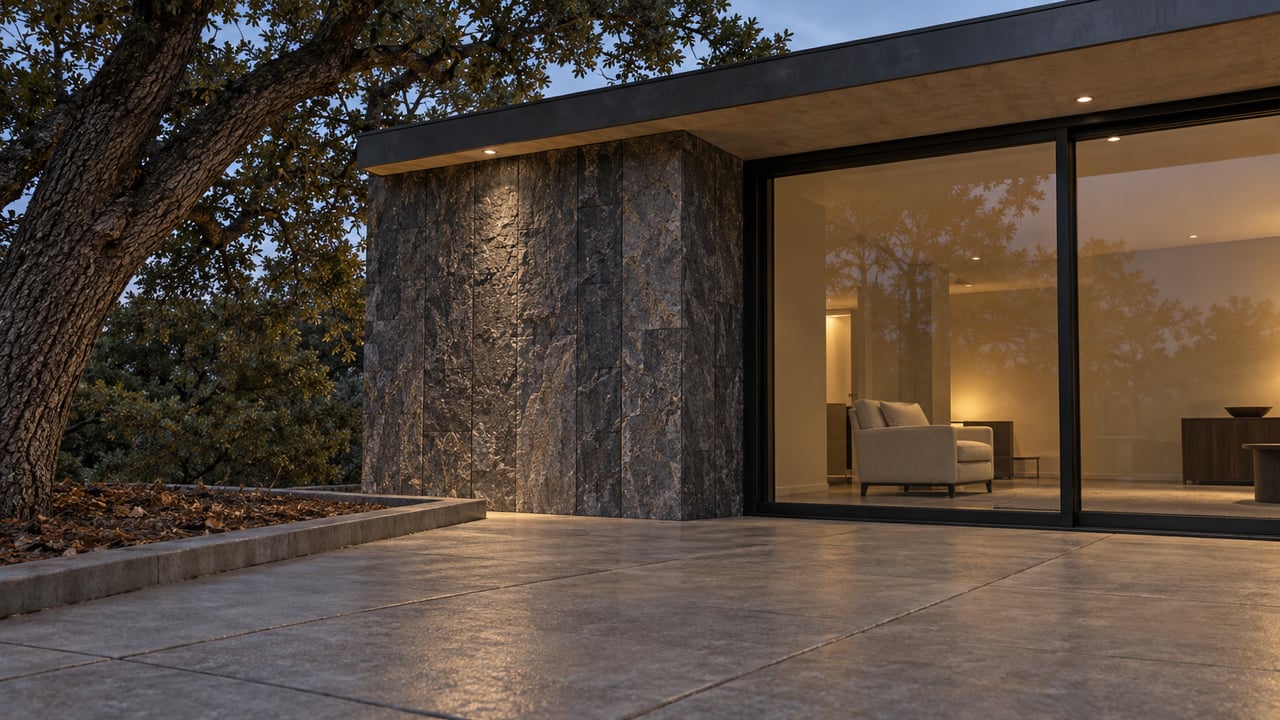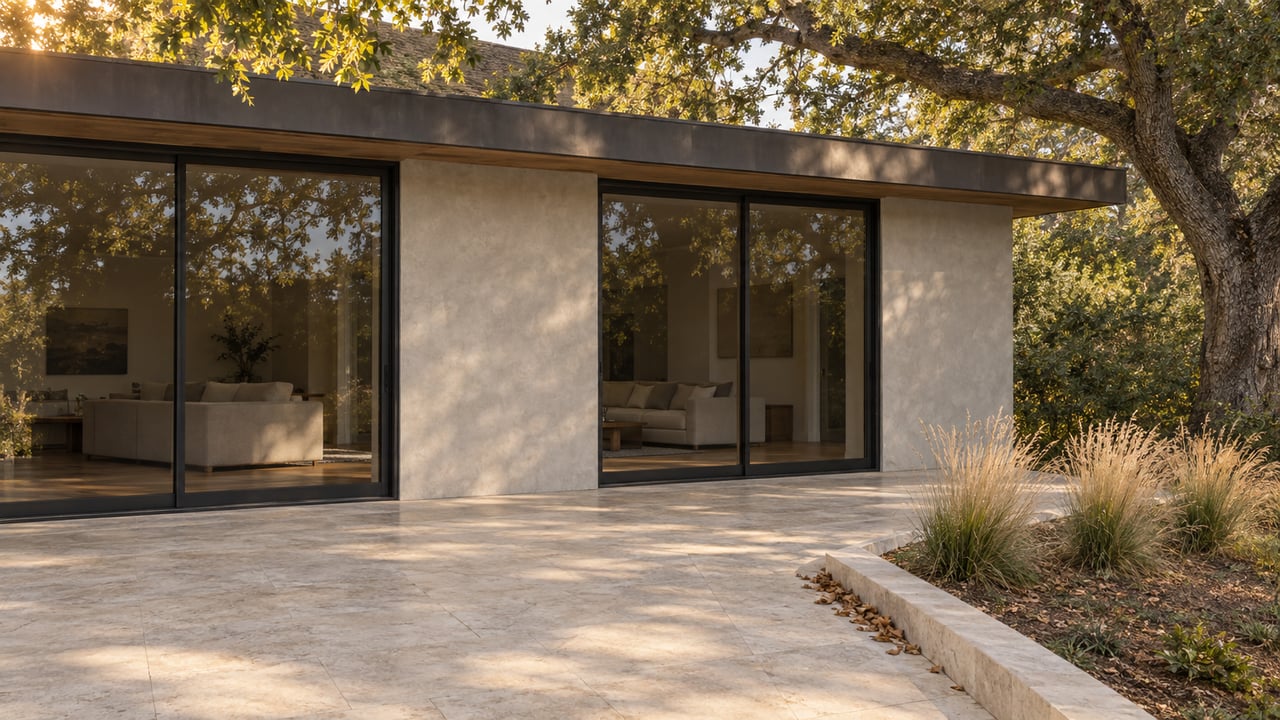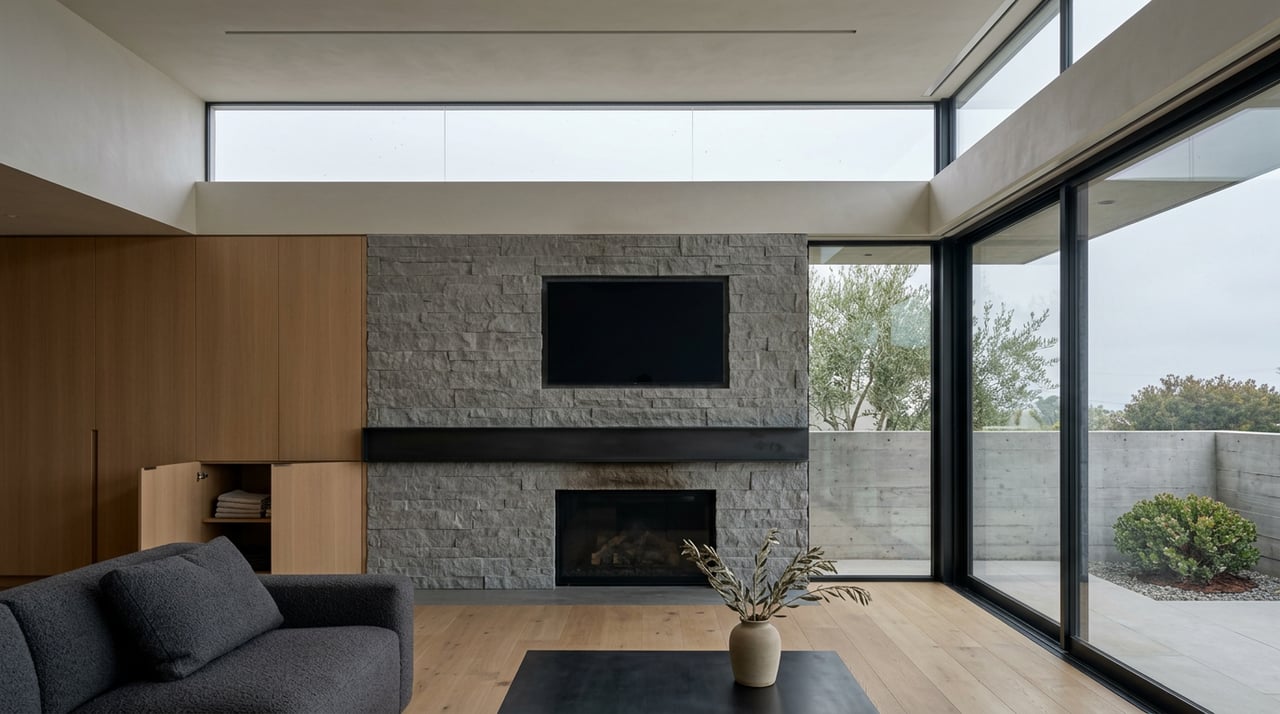
On June 18, 2026, a penthouse at Canopy, the new condominium collection inside Healdsburg's Mill District, sold for $7.8 million. The sale was the highest-priced condo closing in Sonoma County at the time, according to Press Democrat reporting.
Nine weeks later, on August 21, a three-bedroom, one-bathroom house on Spruce Way sold for $525,000. Built decades ago, single story, a single carport. Price per square foot: $512.
Both sales happened in Healdsburg. Both happened in 2026. If you're pulling comps for either property, one number tells you almost nothing about the other.
Two Sales, One Summer
Healdsburg's home sales don't move as one market anymore, and the gap isn't subtle. Look at the Press Democrat's weekly roundup of the town's priciest closings between July 20 and August 2: twelve residential sales, averaging $1.42 million at $645 a square foot, topped by a Dry Creek Road property that closed at $4.45 million. Two weeks later, another roundup covering August 3 through 16 showed six sales averaging $1.17 million at $761 a square foot, with the top sale, a 1963-built house on University Street, closing at $2.87 million.
Those are healthy numbers for legacy Healdsburg housing stock. Nobody buying or selling in that range needs to think about Canopy at all. But stack the June penthouse next to either of those windows and it sits well above the ceiling of what the existing single-family market has ever produced. It isn't an outlier pulling the median up. It's a different product entirely, and it closed in the same zip code, in the same year, as a $525,000 starter house three blocks off the plaza.
That's the split. One Healdsburg is still the town of modest single-family homes on streets like Orangewood and Mountain View, selling in the high $600,000s to low $1 millions with the kind of price-per-square-foot variation you'd expect from houses built across eight decades. The other Healdsburg is a ten-acre redevelopment with its own architect, its own sales gallery, and its own price ceiling that keeps climbing independent of anything happening three blocks away.
The Mill That Became a Luxury Zip Code
Mill District sits on the former site of Nu Forest Products, a lumber mill Replay Destinations bought in 2016. The Vancouver-based developer is turning the 9.6-acre parcel into a mixed-use neighborhood anchored by Canopy, a 43-unit condominium collection designed by Seattle firm Olson Kundig, whose portfolio has earned it a spot on Architectural Digest's AD100 list.
Canopy wasn't a slow seller. By this summer, Replay had logged $21 million in sales for the year and was down to a single remaining penthouse and a handful of flats out of the original 43 units, Press Democrat reported in late July. Replay's vice president of development, Mike McCone, told the paper the buyer pool has stretched well past Sonoma County, describing purchasers as a mix of local homeowners trading up from single-family houses and out-of-state buyers as far away as New York and Florida, some looking for a primary residence and some for a seasonal one.
The next phase is a hotel, not more condos, at least not yet. Alyvia, a 53-room boutique property that includes 12 whole-ownership residences, is set inside the same Mill District footprint. Construction was slated to begin in spring 2026, with an opening targeted for mid-2028, built in partnership with Mayacama Hospitality Group, the operator behind one of the region's private golf and residential clubs, according to trade coverage in Boutique Hotelier. The hotel phase alone is valued at roughly $100 million, part of a $500 million total build-out for the district.
None of this is speculative. It's under construction or already sold. The question for anyone comparing Healdsburg prices isn't whether Mill District is real. It's whether it changes what a typical buyer can expect to find, and the city's growth-management rules help explain how the development fits into the broader market.
The Permit Cap and New Housing
Healdsburg voters adopted a Growth Management Ordinance in 2000, known locally as Measure M. The rule is specific: residential building permits in the city are capped at an average of 30 units a year, and no more than 90 over any rolling three-year period. Affordable housing units and accessory dwelling units are exempt. Everything else, including luxury condos, competes for that same limited annual allocation.
That cap isn't a technicality Mill District worked around. It's the reason the development has moved as slowly as it has. In 2024, when the Press Democrat asked whether Mill District would bring more middle-income housing to town, McCone said directly that the city's growth management ordinance had kept Replay from adding new housing to the project as quickly as it hoped, and that the next residential phase, twelve homes on a lot southwest of Canopy, was slated to start construction at the beginning of 2026, two years after that interview.
A $500 million developer with a finished sales gallery and national buyer interest still can't add units to Healdsburg faster than the ordinance allows. The annual allocation is a fixed pool. Canopy's sales show the luxury-condominium segment alongside the existing listings available to buyers in the $600,000 to $1.5 million range.
What This Means If You're Comparing Healdsburg to Anywhere Else
If you're cross-shopping Healdsburg against another Wine Country town using a single published median, you're comparing a number that increasingly represents two unrelated products blended into one line. A buyer looking for a three- or four-bedroom house with a yard should treat the Canopy sales as background noise, not as a signal about what their target property will cost. The weekly Press Democrat sale reports list the town's priciest closings and offer examples of that segment, while the headline median includes sales of different property types.
If you're selling a legacy single-family home in Healdsburg, the Mill District boom is mostly good news, not competition. Buyers drawn to town by the attention Canopy and Alyvia are generating aren't all condo shoppers. Some of them tour the new development, decide they want a yard and a bit of history instead, and end up looking at exactly the kind of house you're selling. The growth cap also means you're not likely to see a wave of new market-rate single-family inventory undercut you anytime soon. Whatever gets built next in Healdsburg will be slow, permit by permit, the same way it's always been.
If you're an investor or a buyer weighing Mill District itself, treat it as its own category. Comparing a Canopy unit's price per square foot to a 1970s ranch house down the road tells you nothing useful. Compare it instead to other newly built, architect-designed properties in Sonoma County, and factor in that the ordinance limiting supply elsewhere in town is part of what supports pricing at Mill District too.
Quick Answers
Will Measure M ever change? It's a voter-approved ordinance. City discussions about amending it for workforce and middle-income housing have surfaced in recent years, but the 30-unit annual cap remains in effect as of this year.
Does Mill District's success mean more luxury development is coming to Healdsburg? More phases are planned within the same 9.6-acre footprint, including additional residential lots and the Alyvia hotel residences, but all of it still draws from the same capped annual permit pool that applies citywide.
If you're trying to figure out what your own Healdsburg property is actually worth against this kind of split market, a countywide average isn't going to get you there. Del Fava | Parker has spent decades reading Sonoma Valley comps block by block rather than by headline. Request a Home Valuation and get a number built on what's actually selling near you, not what a penthouse three blocks away just did.
This article is general information, not legal, tax or financial advice. Consult a qualified professional about your situation.