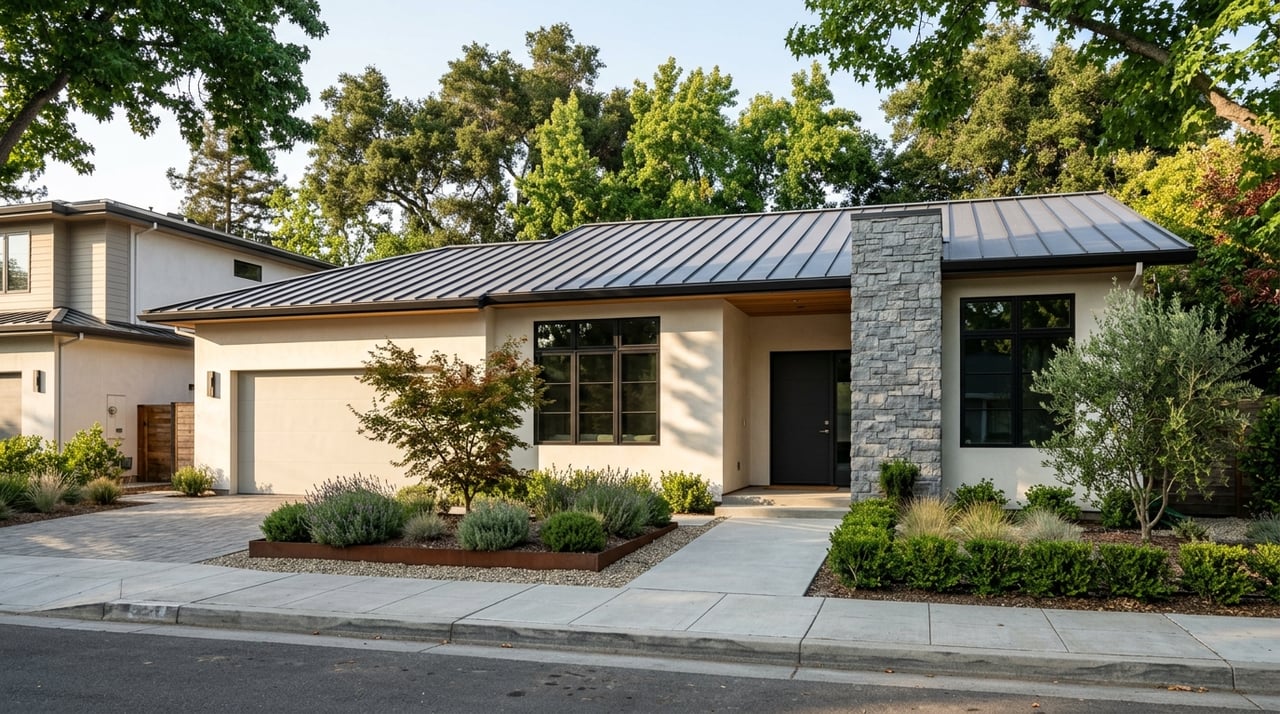
Wondering whether a suburban Santa Rosa home or a country property is the better fit for your life? It is a common question, especially if you want the right balance of convenience, privacy, space, and day-to-day upkeep. In Santa Rosa, the choice often comes down to how you want to live, how much land you want to manage, and how close you want to be to services and amenities. Let’s take a practical look at the differences.
How Santa Rosa Defines the Difference
The biggest difference between suburban and country properties around Santa Rosa is density. Within the city, single-family residential areas are generally planned at about 2.0 to 8.0 housing units per gross acre. In rural Sonoma County, zoning is often measured very differently, with standards such as 60 acres per dwelling unit or even larger minimum parcel patterns in some districts.
In simple terms, suburban Santa Rosa usually means smaller lots, more consistent neighborhood layouts, and homes that sit closer together. Country properties around Santa Rosa usually mean more acreage, more separation between homes, and a less standardized setting. If you are deciding between the two, that density difference shapes almost everything else.
What Suburban Living Usually Feels Like
Suburban neighborhoods in Santa Rosa tend to offer a more connected daily routine. You are often closer to shopping, parks, city services, and transportation options, which can make errands and commuting more manageable. For many buyers, that convenience is a major advantage.
The city’s travel-route planning includes neighborhoods such as Bennett Valley, Coffey Park, Fountaingrove, Oakmont, Pythian Road, and Skyhawk. These areas help illustrate the kind of neighborhoods many buyers think of as suburban Santa Rosa. They feel residential and established while still being closely tied to the city’s broader infrastructure.
Santa Rosa also has a broad local amenity base. The city identifies downtown as a major center for retail, dining, entertainment, culture, services, finance, and government, and it also points to commercial areas like Coddingtown, Montgomery Village, Santa Rosa Avenue retail, and Roseland.
Parks are another part of the suburban appeal. Santa Rosa maintains more than 70 parks totaling over 700 acres, along with dozens of neighborhood and community parks and facilities, including places like Howarth Park, Finley Community Center, and Bennett Valley Golf Course. If you want easy access to public spaces without taking on the maintenance of large acreage yourself, suburban living may feel more practical.
What Country Properties Usually Feel Like
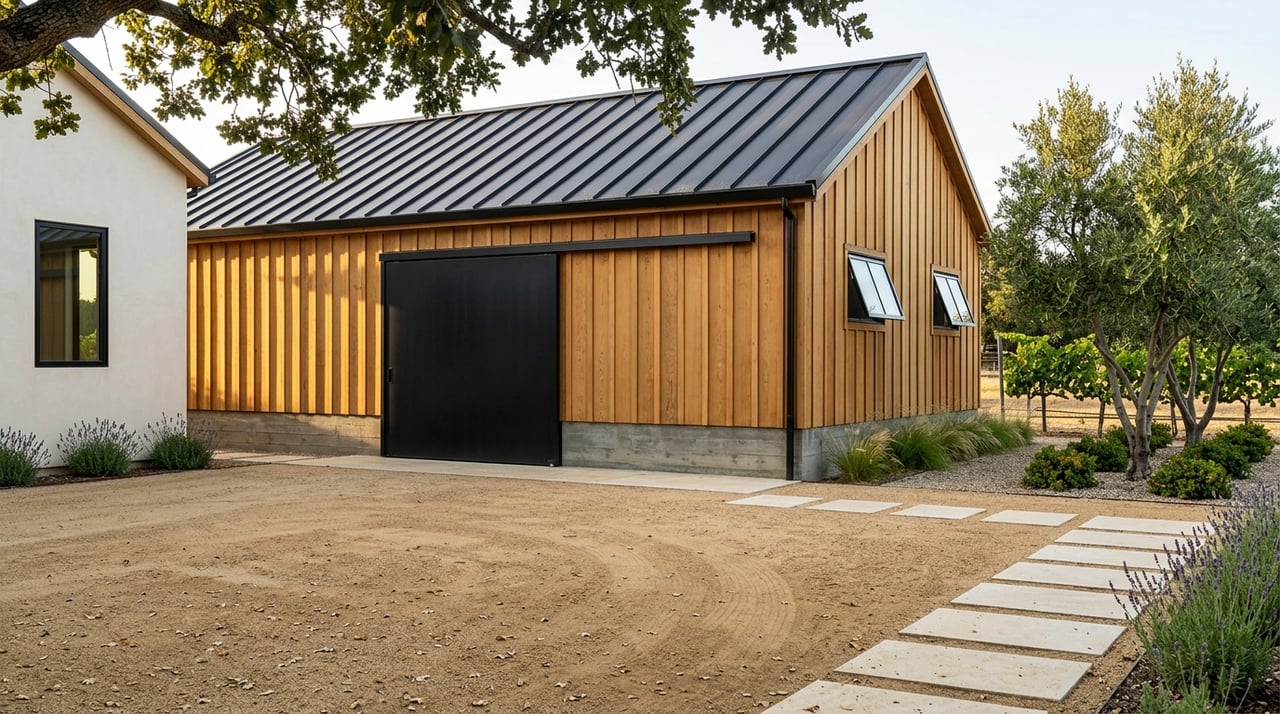
Country properties near Santa Rosa often appeal to buyers who want more privacy, more land, and a stronger sense of separation. If you picture a longer driveway, fewer nearby neighbors, and more open space around the home, that is often the country-property experience.
That added space can create flexibility in how you use the property, but it also changes the level of responsibility. More land usually means more ongoing maintenance, more attention to vegetation, and more planning around utilities and access. For some buyers, that trade-off is worth it. For others, it can become more work than expected.
The key is to think honestly about how hands-on you want to be. A country setting can be beautiful and private, but it is usually not a low-maintenance lifestyle.
Utilities Can Be Very Different
One of the clearest practical differences between suburban and country properties is utility service. In incorporated Santa Rosa neighborhoods, homes are typically supported by public water and sewer systems. Santa Rosa Water serves more than 53,000 water customer accounts and more than 49,000 sewer accounts across a large local pipeline network.
In unincorporated country areas, private infrastructure is more common when public or community service is not available. Sonoma County states that homeowners may need a well system on the property, and county rules govern onsite wastewater treatment systems, often referred to as septic systems. A new or replacement well also requires a well construction permit.
For you as a buyer, this matters because private systems involve a different level of review and maintenance. A suburban home may offer a simpler service setup, while a country property may require you to understand well capacity, septic function, and future upkeep.
Maintenance and Wildfire Readiness Matter
A larger parcel can give you more breathing room, but it also brings more property management. In Santa Rosa, weed-abatement rules apply to certain properties, including Wildland-Urban Interface areas, developed parcels over 0.5 acres with more than 0.5 acre of unimproved land, and vacant lots. During fire season, seasonal grasses must be cut to 4 inches or less, and parcels over 5 acres require maintained fire breaks.
CAL FIRE also advises homeowners to maintain 100 feet of defensible space, keep annual grass at 4 inches or less, and keep combustible materials 30 feet from the home. These are important standards whether you are in a more suburban edge area or a larger country parcel.
This leads to an important point: suburban homes are not automatically outside wildfire concern. Some Santa Rosa neighborhoods are within or near the Wildland-Urban Interface, and the city provides neighborhood travel-route maps to help residents plan evacuation options. If wildfire readiness is high on your list, it is better to evaluate each property on its location, surroundings, access, and vegetation conditions rather than assume one setting is always safer.
Getting Around Day to Day
If convenience is a priority, suburban Santa Rosa often has an edge. The city describes transit as part of its core infrastructure, and Santa Rosa CityBus carries about 1.5 million passenger trips and 780,000 miles annually. Downtown Santa Rosa’s SMART station is located less than a quarter-mile from the transit mall, which is also served by Santa Rosa CityBus, Golden Gate Transit, Sonoma County Transit, and Mendocino Transit.
Sonoma County Transit also connects Santa Rosa with Sonoma Valley, the Russian River and coast, Healdsburg, Cloverdale, Windsor, Petaluma, Sebastopol, and other regional corridors. Several local routes are fare-free, while other trips follow a zone system with Santa Rosa in Zone 1.
For many buyers, that means suburban locations are better suited to shorter errand loops, easier access to shopping and services, and more mixed-mode commuting options. Country properties usually involve more driving and more planning around route coverage and daily travel time.
Which Lifestyle Fits You Best?
There is no one-size-fits-all answer here. The right choice depends on what matters most in your daily routine and what kind of ownership experience you want.
A suburban Santa Rosa home may be a better fit if you want:
- Public water and sewer service
- Easier access to shopping, parks, and city amenities
- Shorter local drives for errands
- Closer connections to transit options
- A property that may require less land management
A country property near Santa Rosa may be a better fit if you want:
- More acreage and separation from neighbors
- A more private setting
- Space that feels less standardized
- A property where land use and open space are part of the appeal
- A lifestyle that you are prepared to manage more actively
The decision is often less about which option is better and more about which trade-offs feel right to you. Convenience, privacy, services, maintenance, and travel time all deserve equal weight.
A Practical Way to Compare Properties
When you tour suburban and country homes, it helps to compare them through a simple lens. Instead of focusing only on price or square footage, look at how each property will function for you over time.
Ask questions like:
- Is the home in the city or in an unincorporated area?
- Does it use public utilities, a well, septic, or some combination?
- How much land will need regular upkeep?
- What are the access routes in an emergency?
- How long will routine trips take for groceries, appointments, and recreation?
- Does the setting match how you actually want to live every day?
That kind of side-by-side thinking usually makes the choice clearer. A property can look ideal at first glance, but the right fit often comes down to the details of ownership.
If you are weighing Santa Rosa suburban neighborhoods against country properties, a calm, local read on those trade-offs can save time and help you make a more confident decision. Del Fava | Parker brings a practical Sonoma County perspective to both neighborhood homes and land-oriented properties, with steady guidance shaped by how people actually live here.
FAQs
What is the main difference between suburban and country properties in Santa Rosa?
- The main difference is usually density. Suburban Santa Rosa homes are typically on smaller, more standardized lots within the city, while country properties are generally on larger parcels with more separation.
Are suburban Santa Rosa neighborhoods always safer from wildfire?
- No. Some suburban Santa Rosa neighborhoods are within or near the Wildland-Urban Interface, so wildfire exposure should be evaluated property by property.
Do country properties near Santa Rosa usually have wells or septic systems?
- They can, especially in unincorporated areas where public or community water service is not available and private systems are required.
Is suburban living in Santa Rosa easier for daily errands?
- In many cases, yes. Suburban areas are typically closer to shopping districts, parks, public services, and transit infrastructure.
Why do buyers choose country properties near Santa Rosa?
- Many buyers choose them for privacy, acreage, and a more spread-out setting, while accepting the added maintenance and management that often comes with more land.