If you are buying a vineyard or estate home in Healdsburg, you are not just choosing a house with pretty views. You are evaluating land, water, access, zoning, and long-term usability, all of which can shape value and daily ownership. The good news is that with the right local process, you can sort through the complexity and buy with more confidence. Let’s dive in.
Why Healdsburg estate purchases are different
A Healdsburg estate or vineyard property often comes with questions that do not show up in a typical residential purchase. A parcel may sit in or near a recognized American Viticultural Area, rely on private utilities, and carry specific land-use limitations that affect what you can do now and later.
That is why acreage and views only tell part of the story. In this part of Sonoma County, the most important details are often tied to the parcel itself, not just the home on it.
Start with the parcel, not just the house
When you tour a vineyard or estate property, it is easy to focus on architecture, outdoor spaces, and setting. Those matter, but the smarter first question is: what exactly are you buying from a land and use standpoint?
In the Healdsburg area, a property might function as a primary residence, a residential parcel with small-scale vines, a parcel with leased vineyard acreage, or an active agricultural property. Each use can involve a different review path through zoning, permits, and utility capacity.
Check AVA location carefully
Healdsburg-area parcels may sit near or within several established Sonoma AVAs, including Russian River Valley, Dry Creek Valley, Alexander Valley, and Chalk Hill. The TTB defines an AVA as a delimited grape-growing region with official boundaries, and both the TTB AVA Map Explorer and Sonoma County GIS tools can help identify whether a parcel intersects an AVA.
That said, AVA status should be understood clearly. It relates to geographic origin, not a guarantee of wine quality, and it should be treated as one part of the overall property picture.
Understand what the AVAs mean locally
The Russian River Valley is described by TTB as a cool, fog-influenced area that differs from warmer neighboring valleys. Dry Creek Valley is generally wetter and warmer than the main Russian River Valley to the south, while Alexander Valley extends southeast of Healdsburg toward north of Cloverdale.
Chalk Hill has its own distinct conditions as well, with characteristics described as warmer than Russian River but cooler than Alexander and Dry Creek. If you are buying with vineyard use in mind, understanding where the parcel actually sits can shape your evaluation of the site.
Review zoning and permit history early
In unincorporated Sonoma County, zoning is handled by Permit Sonoma, including agricultural districts such as Land Intensive Agriculture. That means you need to know not just how the property is being used today, but whether that use matches the record.
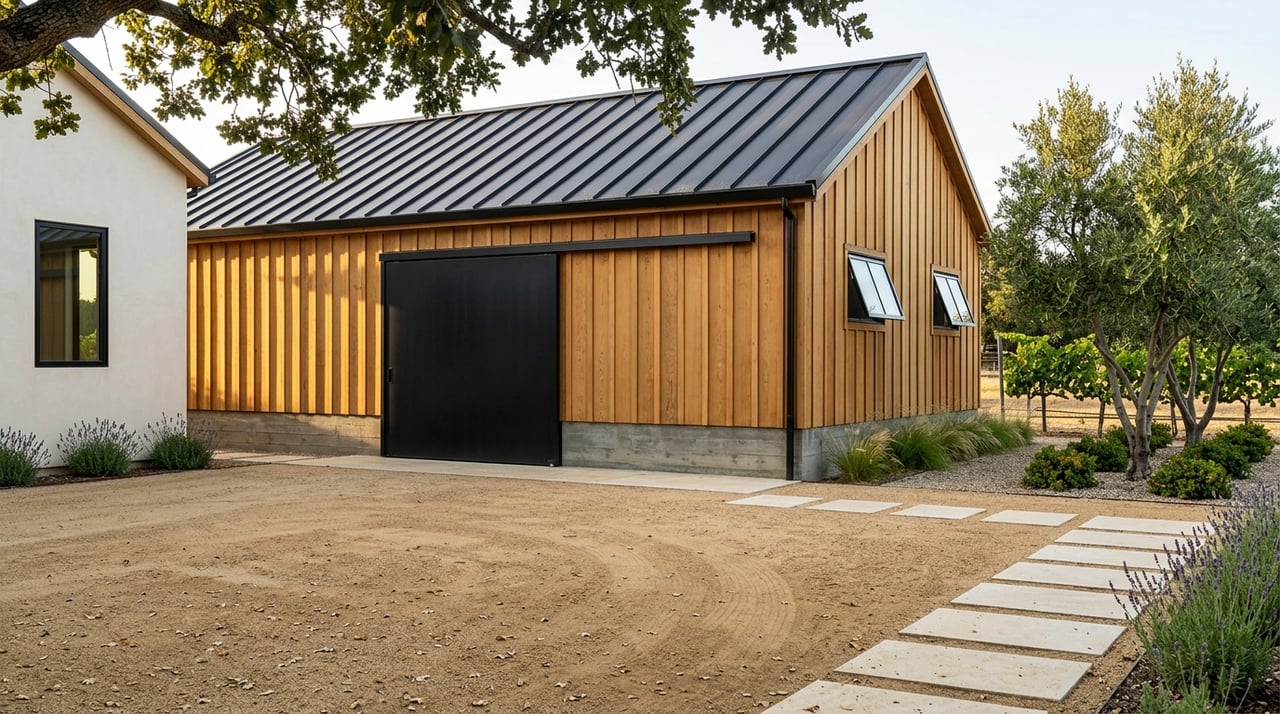
This is especially important for buyers considering barns, accessory structures, grading, septic improvements, or any kind of expanded agricultural or residential use. In some cases, structures on parcels of five acres or more that are designed for farm machinery, animals, supplies, or harvested products may qualify for building-permit exemption provisions, but that does not eliminate the need for careful review.
Pull records using all addresses and APNs
Permit history can reveal a great deal about a property’s past work and potential future issues. Permit Sonoma advises that the most accurate permit-history search uses all known parcel addresses and APNs.
Before you write an offer, it is wise to confirm records for additions, barns, grading activity, septic work, and prior use approvals. This step can help you spot missing documentation or unresolved questions before they become your responsibility.
Water and wastewater can make or break the deal
For many Healdsburg vineyard and estate purchases, water and wastewater are the biggest hidden variables. A beautiful property can become far more complicated if water service, well performance, septic condition, or intended use are not fully vetted.
This is one of the main reasons estate buyers need a more detailed diligence plan than a standard homebuyer might expect.
If the property is on city utilities
The City of Healdsburg provides electric, water, and wastewater service in areas within its system. The city also states that historic electric and water usage can be requested for city utility accounts, which can be useful when you are trying to understand operating patterns.
The city reports that about 80 percent of its water supply comes from the upper Russian River and about 20 percent from Dry Creek or Lake Sonoma. Its utility offerings also include recycled water and an agricultural irrigation program, and its water-shortage contingency plan can trigger development offsets if supply reductions reach 50 percent or more.
If the property is outside city service
For parcels outside city service, you should assume private well and septic diligence until proven otherwise. Permit Sonoma notes that well permits for applications submitted after October 4, 2022 generally require a meter and reporting of water use, with exceptions for certain low-use residential wells.
The county also states that depth-to-groundwater monitoring is required above 5 acre-feet per year, and dry-weather well testing can be required in certain new-dwelling and ADU situations. On the wastewater side, where public sewer is not available, homeowners must use septic systems, and non-standard onsite wastewater treatment systems require permits and ongoing operational monitoring.
Why septic review matters in Sonoma County
Septic systems are common in Sonoma County. A recent county septic study reported more than 36,000 local parcels with septic systems and 12,504 parcels with permitted OWTS since 1991.
That does not make septic a problem by itself. It does mean you should understand the type of system on the property, its permit status, service history, and whether it matches your intended use.
Access, grading, and road logistics matter
A Healdsburg estate can feel private and peaceful, but that same privacy may come with practical access questions. Driveways, road width, slopes, drainage, and right-of-way issues can affect daily use as well as future improvements.
These details matter even more if you plan to move equipment, maintain vines, or make site upgrades after closing.
Know when permits may be required
Permit Sonoma states that an encroachment permit is required for work in county public right-of-way, including items such as water lines, sewer lines, curb, gutter, sidewalk, driveway apron work, or vegetation removal with chipper equipment. The county also notes that oversized vehicles or loads on unincorporated county roads may require a transportation permit.
In practical terms, buyers should check access and construction logistics early. If the property depends on steep or narrow roads, or if future work will require movement of large vehicles or equipment, those constraints may affect your plans and costs.
Wildfire resilience should be part of your budget
In the Healdsburg hills and foothills, wildfire resilience is a core diligence item. This is not just about insurance conversations. It is also about physical maintenance, site planning, and the condition of the home and outbuildings.
CAL FIRE states that 100 feet of defensible space is required by law, with vegetation spacing increasing as slope increases. It also emphasizes that home hardening paired with defensible space provides the best combination for wildfire survival.
Verify the hazard zone and current condition
Sonoma County’s fire-hazard-severity-zone dataset uses the February 24, 2025 map and is based on factors that include fuel loading, slope, and fire weather. For a buyer, that means you should verify the parcel’s hazard zone and evaluate what the current vegetation-management burden may be.
You will also want to understand whether the house and outbuildings have already been hardened or whether upgrades still lie ahead. This can influence both ownership costs and your near-term project list.
Build the right advisor team
A vineyard or estate purchase in Healdsburg usually needs more than the standard residential closing setup. Because the issues are parcel-specific and often regulated by multiple agencies, your advisor team should match the complexity of the property.
A practical team may include a local real estate broker with vineyard and estate experience, a land-use attorney or Permit Sonoma consultant, a civil engineer or surveyor, a well specialist or hydrogeologist, a septic or OWTS professional, a vineyard manager or agronomist, a fire-mitigation contractor, and often a CPA or estate planner.
Use specialists when the property calls for it
Permit Sonoma’s OWTS program specifically identifies California registered civil engineers, registered environmental health specialists, and certified onsite wastewater system inspectors as qualified service providers for monitoring work. That is a helpful reminder that technical questions deserve technical experts.
The goal is not to overcomplicate the purchase. It is to make sure you are relying on the right professionals before contingencies narrow and decisions become expensive.
What to focus on before you write an offer
If you want a practical way to evaluate a Healdsburg vineyard or estate property, keep your diligence centered on a few key questions. These are often the issues that shape both enjoyment and long-term value.
- Is the parcel actually within an AVA, and if so, which one?
- Does the zoning support the current and intended use?
- What does the permit history show for structures, grading, septic, and prior approvals?
- Is the property on city utilities, or will you need private well and septic review?
- Can water and wastewater systems support your intended use?
- Are access, road conditions, and potential transport constraints workable?
- What wildfire mitigation and home-hardening work has been completed, and what remains?
A calm, local approach matters
Buying a vineyard or estate home in Healdsburg can be incredibly rewarding, but it pays to approach it with clear eyes. The best purchases are usually made by buyers who look beyond the surface and take the time to understand the parcel, the systems, and the path forward.
That is where steady local guidance can make a real difference. If you are considering a vineyard, estate, or land purchase in Healdsburg, Del Fava | Parker can help you evaluate the property with a practical, relationship-driven approach grounded in Sonoma County experience.
FAQs
What makes buying a vineyard or estate home in Healdsburg different from buying a typical house?
- Healdsburg estate purchases often require parcel-specific review of AVA location, zoning, permit history, water, wastewater, access, and wildfire exposure, not just the home itself.
What AVAs should buyers know when purchasing property in Healdsburg?
- Healdsburg-area parcels may sit near or within Russian River Valley, Dry Creek Valley, Alexander Valley, and Chalk Hill, and buyers should verify actual parcel location using AVA mapping tools and county GIS resources.
Why should buyers check permit history for a Healdsburg estate property?
- Permit history can help confirm whether additions, barns, grading, septic work, and prior use approvals are properly documented, and Permit Sonoma recommends searching with all known addresses and APNs.
How do water and septic systems affect a Healdsburg vineyard purchase?
- If a property is outside city utility service, buyers should carefully review private well and septic conditions, permit status, and whether those systems can support the intended residential or agricultural use.
What wildfire issues should buyers review for Healdsburg estate homes?
- Buyers should verify the parcel’s fire hazard zone, evaluate defensible space requirements, and determine whether the home and outbuildings have been hardened or still need wildfire-resilience upgrades.
Who should be on a buyer’s team for a Healdsburg vineyard or estate purchase?
- Depending on the property, buyers may need a local real estate broker, land-use consultant or attorney, engineer or surveyor, well and septic specialists, vineyard advisor, fire-mitigation contractor, and sometimes a CPA or estate planner.